

Description
Overview of the Juniper JNP-QSFP-100G-SR4 100GBPS Transceiver Module
In the world of networking and data transmission, speed, reliability, and efficiency are paramount. To meet the ever-increasing demand for high-speed data transmission, Juniper Networks has developed the Juniper JNP-QSFP-100G-SR4, a cutting-edge 100GBase-SR optical transceiver module. In this comprehensive guide, we will delve into the details of the Juniper JNP-QSFP-100G-SR4, explaining its specifications, features, and applications.
Understanding Juniper JNP-QSFP-100G-SR4 Optical Transceiver
Explain Juniper JNP-QSFP-100G-SR4
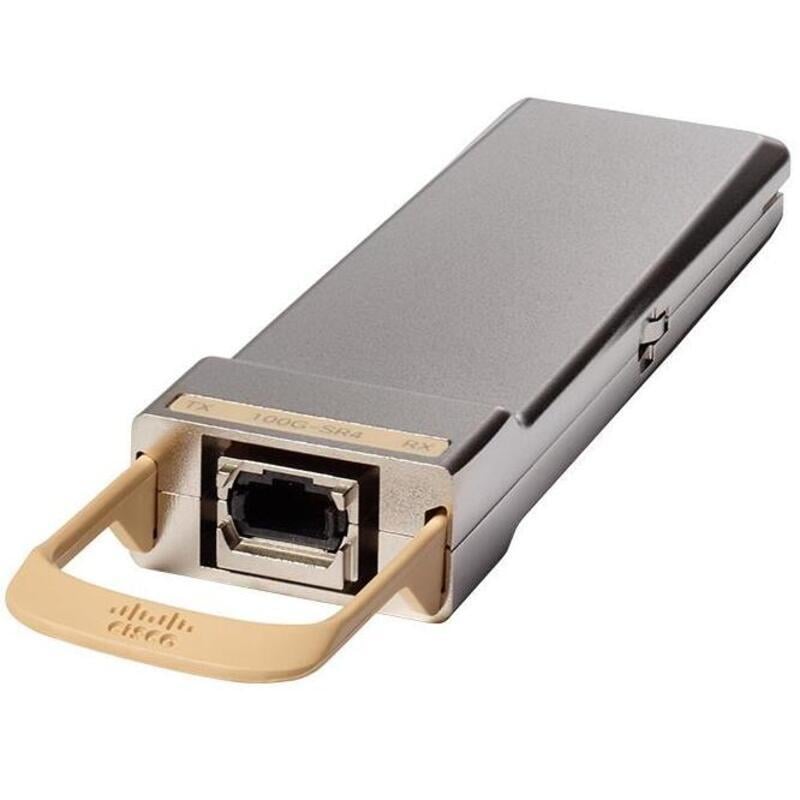
The Juniper JNP-QSFP-100G-SR4 is an optical transceiver module designed for high-speed data transmission. This module is specifically engineered for short-range optical connections, making it ideal for data centers, cloud computing environments, and other high-bandwidth applications.
The Need for High-Speed Data Transmission
In the digital age, there is an ever-growing demand for faster and more reliable data transmission. Whether it’s streaming high-definition videos, downloading large files, or enabling real-time communication, the need for high-speed data transmission is ubiquitous. Traditional networking technologies often struggle to meet these demands, leading to the development of advanced solutions like the Juniper JNP-QSFP-100G-SR4.
100GBase-SR: Unpacking the Terminology
The name “100GBase-SR” provides insight into the module’s capabilities. Let’s break down this terminology:
- “100G” stands for 100 Gigabytes per Second (GBPS), representing the astounding data transmission speed this module can achieve.
- “Base” denotes the baseband signaling method used for data transmission.
- “SR” stands for Short-Range, indicating the module’s suitability for short-distance connections.
Now, let’s explore the key features and specifications of the Juniper JNP-QSFP-100G-SR4.
Key Features and Specifications of QSFP28 Optical Transceiver
Data Transmission Speed
The Juniper JNP-QSFP-100G-SR4 is designed to transmit data at an astonishing speed of 100 Gigabytes per Second (GBPS). This is a critical feature for modern networking applications, ensuring that data can be transferred quickly and efficiently.
Multi-Mode Fiber Compatibility
One of the standout features of this optical transceiver module is its compatibility with multi-mode fiber (MMF). Multi-mode fiber is a type of optical fiber that allows multiple light modes or rays to propagate through the core simultaneously. This means that the Juniper JNP-QSFP-100G-SR4 can work with various MMF types, making it a versatile choice for different networking environments.
Short-Range Capability
As the “SR” in its name suggests, this module is optimized for short-range connections. It can transmit data over distances of up to 100 meters, which makes it perfect for use within data centers and similar environments where connections are relatively close.
Wavelength and MPO Connector
The module operates at a wavelength of 850nm, which is within the visible spectrum of light. This wavelength is well-suited for multi-mode fiber and allows for efficient data transmission.
The Juniper JNP-QSFP-100G-SR4 also features an MPO (Multi-fiber Push-On) connector. MPO connectors are designed to facilitate high-density connections, making them an ideal choice for data center environments where space is limited, and efficient cable management is essential.
QSFP28 Form Factor
The Juniper JNP-QSFP-100G-SR4 comes in a QSFP28 (Quad Small Form Factor Pluggable 28) form factor. This form factor is widely used in the networking industry and is known for its compact size and ease of installation. QSFP28 modules can be hot-swapped, allowing for quick and convenient replacements without disrupting network operations.
Applications and Use Cases of 100Gigabits Transceiver Module
Data Centers
One of the primary applications of the Juniper JNP-QSFP-100G-SR4 is within data centers. Data centers house vast amounts of critical information and require high-speed connections for efficient data transmission. This module’s short-range capabilities, multi-mode fiber compatibility, and high data transmission speed make it an excellent choice for connecting servers, switches, and other networking equipment within a data center.
Cloud Computing Environments
Cloud computing has become an integral part of modern business operations. It relies on fast and reliable connections to ensure that data can be accessed and processed in real time. The Juniper JNP-QSFP-100G-SR4 is well-suited for cloud computing environments, where it can be used to connect servers and data storage systems.
High-Performance Computing (HPC)
High-performance computing is used in scientific research, simulations, and complex data analysis. It requires exceptionally fast data transmission capabilities. The Juniper JNP-QSFP-100G-SR4 can meet these requirements, making it an ideal choice for HPC applications.
High-Frequency Trading
In the world of finance, split-second decisions can make or break a trade. High-frequency trading relies on ultra-fast data transmission, and the Juniper JNP-QSFP-100G-SR4 can play a crucial role in connecting trading systems and ensuring that market data is received and processed with minimal latency.
Telecommunication Networks
Telecommunication networks, including mobile networks and fixed-line services, require high-speed connections to handle the growing volume of data traffic. The Juniper JNP-QSFP-100G-SR4 can be used to connect network equipment, such as routers and switches, ensuring that data is transmitted quickly and reliably.
Advantages of Using Juniper JNP-QSFP-100G-SR4
- Speed and Efficiency: The most significant advantage of the Juniper JNP-QSFP-100G-SR4 is its remarkable data transmission speed. It can transfer data at 100GBPS, ensuring that information flows rapidly within a network. This speed is essential for applications where delays are not acceptable, such as video streaming, real-time communication, and high-frequency trading.
- Multi-Mode Fiber Compatibility: The module’s compatibility with multi-mode fiber provides flexibility in networking setups. Multi-mode fiber is cost-effective and allows for high bandwidth, making it an excellent choice for short-range connections. The Juniper JNP-QSFP-100G-SR4 can leverage these benefits, making it an economical and efficient solution.
- Short-Range Capabilities: The short-range capabilities of the Juniper JNP-QSFP-100G-SR4 are well-suited for applications where connections are relatively close, such as data centers. This ensures that data can be transmitted efficiently without the need for excessively long cables or complex signal amplification setups.
- MPO Connector for High Density: The MPO connector is a key advantage in situations where space is limited, such as data centers. It allows for high-density connections, reducing cable clutter and making cable management more efficient.
- QSFP28 Form Factor: The QSFP28 form factor’s compact size and hot-swappable design make it convenient for installation and maintenance. Network administrators can easily replace modules without disrupting network operations, saving time and minimizing downtime.
Compatibility and Interoperability
Interoperability
The Juniper JNP-QSFP-100G-SR4 is designed to be compatible with Juniper networking equipment, but it may also work with other compatible devices from different manufacturers. It is important to check the compatibility list provided by Juniper Networks or consult with the manufacturer to ensure that the module will work seamlessly with your existing infrastructure.
Compatibility
Juniper Networks offers a wide range of networking equipment, including routers and switches. The Juniper JNP-QSFP-100G-SR4 is specifically designed to work seamlessly with Juniper’s products, ensuring a reliable and high-performance connection.
Cost and Investment Considerations
Cost of the Module
The cost of the Juniper JNP-QSFP-100G-SR4 module may vary depending on factors such as the vendor, quantity, and any additional services included with the purchase. It’s essential to obtain price quotes from reputable vendors and consider your budget when making a purchase decision.
Return on Investment (ROI)
Investing in high-speed optical transceiver modules like the Juniper JNP-QSFP-100G-SR4 can yield significant returns on investment, especially for businesses that rely on fast data transmission. Consider the potential cost savings, increased productivity, and improved network performance when evaluating the ROI of this module.
General Information of 100GBPS Transceiver Module
- Manufacturer: Juniper
- Part Number or SKU# JNP-QSFP-100G-SR4
- Device Type: Transceiver Module
- Transceiver Type: SR-4
Technical Information for SR-4 Transceiver Module
- Form Factor: QSFP28
- Max Data Rate: 103.125 Gbps (4x 25.78 Gbps)
- Wavelength: 850nm
- Max Cable Distance: 70m (OM3) / 100m (OM4)
- Connector: MTP/MPO-12
- Media: Multimode Fiber (MMF)
- Transmitter Type: VCSEL 850nm
- Receiver Type: PIN
- Tx Power: -8.4 to -2.4 dBm
- Minimum Receiver Power: -10.3 dBm
- Power Budget: 1.9 dB
- Receiver Overload: 2.4 dBm
- Typical Power Consumption: 2.5W
- Extinction Ratio: 3dB
- DDM/DOM: Supported
- CDR (Clock and Data Recovery): Built-in CDR for both Tx and Rx
- Inbuilt FEC: No
- Protocols: IEEE 802.3bm, QSFP28 MSA, SFF-8665, SFF-8636, RoHS, CPRI, eCPRI
In summary, the Juniper JNP-QSFP-100G-SR4 is a cutting-edge optical transceiver module designed to meet the demands of high-speed data transmission in modern networking environments. With its impressive data transmission speed, multi-mode fiber compatibility, short-range capabilities, and compact QSFP28 form factor, it offers a versatile and efficient solution for various applications, including data centers, cloud computing, high-performance computing, high-frequency trading, and telecommunication networks.
By understanding its key features, applications, advantages, installation and maintenance procedures, compatibility, and cost considerations, you can make an informed decision about incorporating the Juniper JNP-QSFP-100G-SR4 into your network infrastructure. This module is a valuable asset for businesses and organizations seeking to enhance their networking capabilities and stay competitive in a fast-paced digital world.