

Description
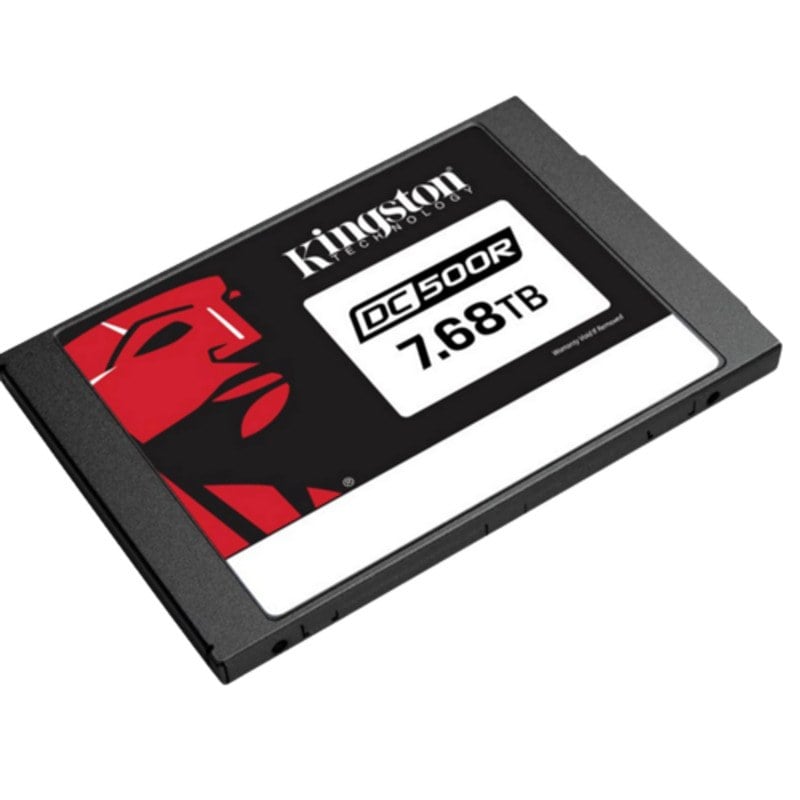
Understanding the SEDC500R/7680G 7.68TB Internal Solid State Drive
In the rapidly evolving landscape of digital storage, the SEDC500R/7680G 7.68 Terabytes Internal Solid State Drive (SSD) emerges as a powerful solution for users seeking high-capacity, high-performance storage. This description aims to comprehensively explore the features and specifications of this ‘solid State Drive’, delving into its key attributes such as Serial Advanced Technology Attachment (SATA), 6 Gigabytes Per Second (GBPS), 2.5Inch form factor, and 3D Triple Level Cell (TLC) technology.
Overview of SEDC500R/7680G SSD
The SEDC500R/7680G SSD is a cutting-edge storage device designed to meet the demands of modern data-intensive applications. With a storage capacity of 7.68 Terabytes, it provides ample space for large-scale data storage, making it ideal for professionals and enterprises dealing with substantial volumes of data.
Capacity: 7.68 Terabytes (TB)
The SEAGATE SEDC500R/7680G stands out with its massive 7.68TB storage capacity. This abundance of storage space makes it an ideal choice for users with demanding storage needs, whether for large-scale data storage, multimedia content, or high-performance computing.
SATA 6 GBPS Technology
One of the standout features of the SEDC500R/7680G SSD is its utilization of Serial Advanced Technology Attachment (SATA) with a transfer rate of 6 Gigabytes Per Second (GBPS). This technology ensures swift and efficient data transfer between the SSD and the connected device. The SATA interface has become a standard in the storage industry, and the 6 GBPS speed enhances overall system performance.
Form Factor – 2.5 Inch
The physical dimensions of a storage device are crucial, especially in scenarios where space is a limiting factor. The SEDC500R/7680G SSD adopts the 2.5-inch form factor, making it compact and compatible with a wide range of devices, including laptops, desktops, and servers. This compact design facilitates easy integration into various computing environments without compromising on performance.
Triple Level Cell (TLC) Technology
The SEDC500R/7680G SSD employs 3D Triple Level Cell (TLC) technology, representing a significant advancement in NAND flash memory architecture. TLC technology allows for the storage of three bits of data per cell, effectively increasing the storage density of the SSD. This results in higher capacity without a proportional increase in physical size.
Memory Technology: 3D Triple Level Cell (TLC)
The use of 3D Triple Level Cell (TLC) technology in the SEAGATE SEDC500R/7680G is noteworthy. TLC technology enhances the storage density of the SSD, allowing for more data to be stored in a smaller physical space. This results in a higher storage capacity without compromising performance.
Benefits and Use CasesHigh Storage Capacity for Demanding Applications
The 7.68TB storage capacity of the SEAGATE SEDC500R/7680G makes it an ideal solution for applications that require substantial storage space. This includes data centers, enterprise storage systems, and content creation workflows where large datasets or high-resolution media files are commonplace.
Enhanced System Responsiveness
The combination of TLC technology and the SATA 6GBPS interface contributes to the overall responsiveness of systems equipped with the SEAGATE SEDC500R/7680G. Users can experience faster boot times, quicker application loading, and seamless multitasking, improving the user experience in both consumer and professional environments.
Optimized for Read-Centric Workloads
The DC500R designation signifies that the SEAGATE SEDC500R/7680G is tailored for read-centric workloads. This makes it suitable for applications where the majority of operations involve retrieving data rather than extensive write operations. Examples of such use cases include content delivery networks, web hosting, and data analysis.
Compatibility and IntegrationPlug-and-Play
The SEDC500R/7680G is designed for ease of integration, with a plug-and-play installation process that minimizes downtime during upgrades. Its compatibility with various operating systems and motherboards makes it a versatile choice for a wide range of users.
Firmware Updates: Enhancing Performance and Security
Regular firmware updates from the manufacturer not only improve the SSD’s performance but also address potential security vulnerabilities. Users can leverage these updates to keep their storage solution optimized and secure against emerging threats.
Heat Management and Power EfficiencyHeat Dissipation
Intensive data operations can generate heat, impacting the performance and lifespan of an SSD. The SEDC500R/7680G employs efficient heat dissipation mechanisms, including heat sinks or thermal pads, to ensure that the drive operates within optimal temperature ranges.
Power Efficiency
Power efficiency is a critical consideration for both environmental and economic reasons. SSDs are generally more power-efficient than traditional hard drives, contributing to lower energy consumption and reduced operational costs over time.
High-performance
The Kingston SEDC500R/7680G 7.68TB SATA 6GBPS Solid State Drive is a high-performance drive that offers fast read and write speeds, making it suitable for use in data centers, enterprise environments, and other applications that require high storage capacity and fast data access. It has a large storage capacity of 7.68TB and it supports the SATA 6GB/s interface. The drive can deliver sequential read speeds of up to 555MB/s and sequential write speeds of up to 520MB/s. Additionally, the drive supports advanced features such as end-to-end data path protection, power-loss protection, and secure erase.
Exceptional Reliability
The reliability of the Kingston SEDC500R/7680G 7.68TB SATA 6GBPS Solid State Drive is generally considered to be high. The drive features advanced features such as end-to-end data path protection, power-loss protection, and secure erase, which help to protect the integrity of stored data and ensure that data is not lost in the event of a power failure or other unexpected event. Additionally, the drive has been designed to withstand the rigors of enterprise use and is rated for a high mean time between failure (MTBF) of 2 million hours.
However, it is important to note that the reliability of any solid-state drive can depend on a variety of factors such as the specific use case, the environment in which the drive is used, and how the drive is managed and maintained. It’s always recommended to have a backup of important data and to monitor the drive’s health regularly to detect any potential issues before they become a problem.
Security Features
In the era of increasing cybersecurity threats, the SEDC500R/7680G SSD incorporates security features to protect sensitive data. Advanced encryption protocols and secure erase functionalities are integral to safeguarding information stored on the SSD. This makes the drive suitable for applications where data security is paramount, such as in corporate and government sectors.
Key Information of the Kingston SEDC500R/7680G
- Manufacturer: Kingston
- Model Number or SKU# SEDC500R/7680G
- Product Type: Solid State Drive
- Interface: SATA-6GBPS
Technical Information for 7.68TB Solid State Drive
- Capacity: 7.68TB
- Form Factor: 2.5Inch
- MTBF: 2000000 Hours
- Nand: 3d TLC
- Steady-State 4K Read/Write: Up to 99,000/Up to 25,000 IOPS
- Sequential Read/Write: Up to 545MBs / 490MBs
- Hot Plug Capable: Yes
- Static and Dynamic Wear Leveling: Yes
- Enterprise SMART Tools reliability tracking, usage statistics, life remaining, wear leveling, temperature
- Power Loss Protection: Tantalum Capacitors
- Endurance: 9345-TBW (0.6 DWPC/5Yrs) (1.1 DWPD/3Yrs)
Performance of SAS 12GBPS SSD
- Maximum Read Transfer Rate: 3100 Mb/s
- Maximum Write Transfer Rate: 2700 Mb/s
- 4kb Random Read: 420,000 Iops
- 4kb Random Write: 200,000 Iops
- Endurance (dwpd): 1
Expansion & Connectivity
- 1 X SATA 12gb/s
- Compatible Bays: 1 X Hot-plug – 2.5inch
In summary, the SEDC500R/7680G 7.68 Terabytes Internal Solid State Drive stands out as a formidable storage solution, combining high capacity, fast data transfer speeds, and advanced NAND flash memory technology. Its compact form factor, compatibility with various systems, and security features make it a versatile choice for a broad range of users, from individual professionals to enterprises managing extensive datasets. By understanding the intricacies of its features and capabilities, users can make informed decisions about integrating this SSD into their computing environments, ensuring efficient and reliable storage for their data-intensive tasks.